

Handling Late Payments as a Software Contractor: Steps to Get Paid Faster
A complete guide for software contractors on handling late payments, including polite follow-up steps, contract adjustments, and automated invoicing tips.
Learn how to politely follow up on late client payments, enforce contract terms, and build a transparent billing workflow that prevents delays before they happen.
The fastest way to handle a late payment
To handle a late payment as a software contractor, first verify the invoice was received by the correct department. Send a polite reminder on the due date, include a clear breakdown of delivered work, and reference the payment terms established in your initial contract.
When handling late payments as a software contractor, your first step is confirming the invoice actually reached the right people. It is incredibly common for invoices to get stuck between your engineering contact and the accounts payable team. Sending a quick email to both your direct technical client and the finance department ensures your bill does not sit unseen in a forgotten inbox (Source 4).
You have every right to follow up on the exact day an invoice becomes overdue. A brief, professional email works best to nudge the client without damaging your working relationship. Always attach a fresh copy of the invoice to this initial reminder so the client does not have to waste time searching through their own email history.
What to include in your follow-up email
Keep your reminder concise so it is easy for a busy client to process and forward if necessary. A solid past-due message should quickly outline the facts of the missing payment:
- A clear reference to the contract: Politely point back to the specific 14-day or 30-day payment terms established before the project started (Source 2).
- An itemized summary of deliverables: Briefly list the exact pull requests, shipped features, or project milestones completed during that specific billing cycle.
- Direct payment instructions: Reiterate your bank routing details, direct payment link, or preferred workflow software so they can resolve the balance immediately.
Sticking to this highly transparent communication trains your clients to respect your deadlines early on. It also builds a reliable, documented paper trail just in case a simple scheduling oversight turns into a more serious collection dispute later.
4 steps to resolve overdue client invoices
The most effective way of handling late payments as a software contractor is to establish a clear, escalating follow-up sequence. Start by verifying the invoice details, send a polite nudge on the due date, escalate to finance after two weeks, and enforce contract penalties if ignored.
When you ship code and the client goes quiet on payday, panic is a natural response. However, jumping straight to legal threats often damages the relationship and delays the process further. As Source 4 points out, standard payment terms are usually 14 or 30 days, and a simple administrative miscommunication is often the ultimate culprit. A structured, step-by-step approach keeps you professional while aggressively protecting your cash flow.
Verify receipt and accuracy
Send a polite reminder
Escalate communication
Enforce your contract
Executing your payment follow-up sequence
Before firing off an angry email, double-check your invoice for formatting errors to ensure it meets standard legal requirements for freelance developer invoices. According to Source 2, missing reference numbers or incorrect company details can easily stall out the entire accounts payable pipeline. If your submitted invoice is flawless but the money is still missing, send a friendly check-in email on the exact due date.
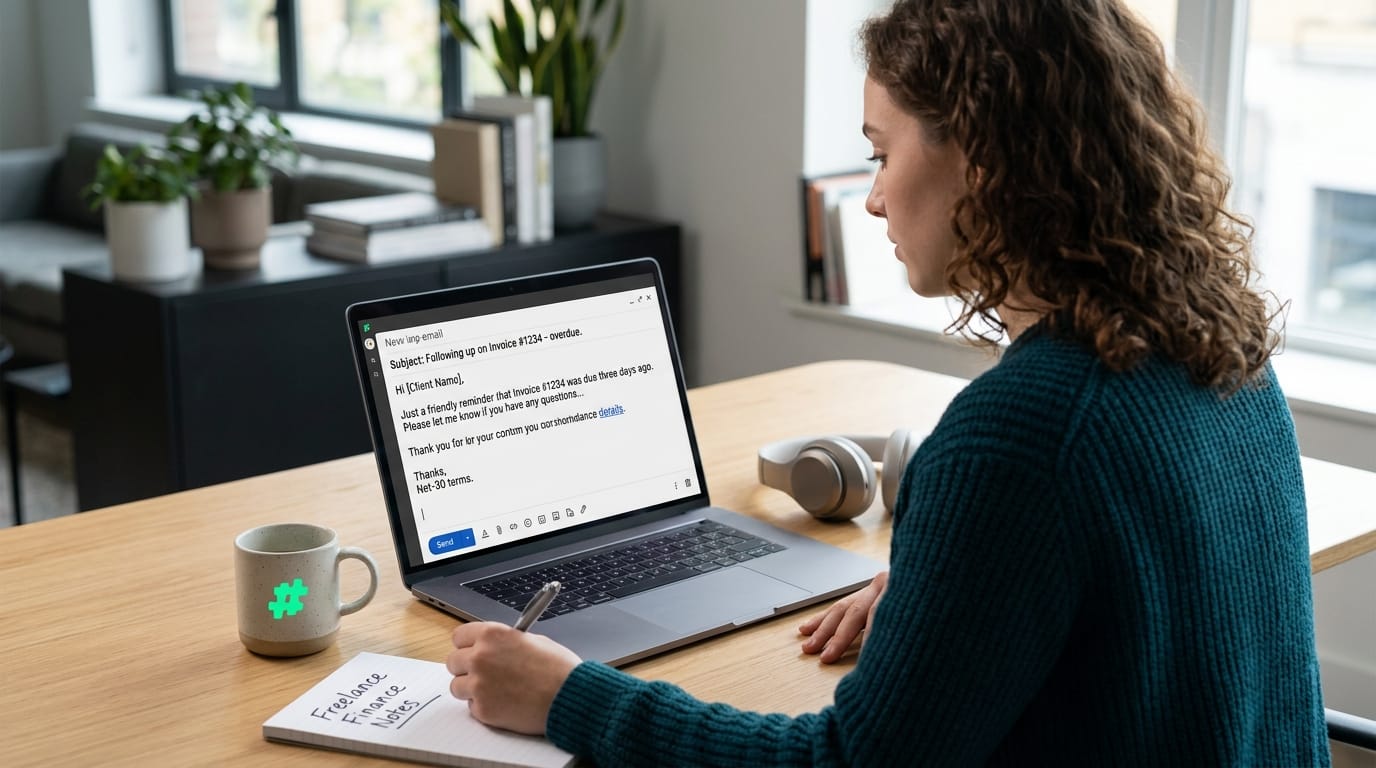
If the polite route fails and the bill becomes two weeks overdue, it is time to loop in other stakeholders. Email your direct engineering contact along with their finance department, attaching your original Master Services Agreement (MSA) and the outstanding invoice. Successfully handling late payments as a software contractor requires leaving a clear, professional paper trail of every attempt you make to resolve the issue.
When an invoice sits unpaid beyond your defined grace period, you must enforce your boundaries to protect your business. Apply the specific late fees outlined in your signed contract and immediately pause any ongoing product work. By halting future branch commits, you remind the client that handling late payments as a software contractor isn't just an administrative chore—it is a strict requirement to keep receiving your engineering services.
Why clients delay payment (and how to fix your workflow)
When handling late payments as a software contractor, you might assume clients are intentionally withholding funds. In reality, most delays stem from administrative friction. Vague descriptions of technical work confuse non-technical finance teams, forcing them to pause payments while they seek clarification from their engineering leads.
This friction has real consequences for your runway. According to Source 4, late payments create severe cash-flow problems for 37% of small businesses and freelancers. If your invoice simply reads "fixed bugs" or "refactored database," an accounts payable clerk cannot easily verify the value delivered. This lack of detail is also a primary reason contractors struggle with how to avoid underbilling on small fixes. They will often sit on that invoice until someone translates the technical jargon for them.
Fixing your billing workflow
To eliminate these payment bottlenecks, you have to bridge the gap between technical execution and business operations. Finance departments approve invoices much faster when they can instantly understand what they are paying for. You need to transition from the traditional, manual approach of dumping Git commit logs into a document toward a modern system built on professional clarity. Adopting proven developer invoicing automation strategies helps eliminate this bottleneck.
Upgrading your invoicing system removes the mental load for the client's accounting department. By building a transparent workflow, you prevent costly delays long before an invoice becomes overdue. Focus on these core workflow adjustments to get paid faster:
- Translate shorthand technical tasks into straightforward business deliverables.
- Attach undeniable, source-linked proof of work directly to the invoice line items.
- Issue your billing documents as soon as work is completed rather than waiting for month-end reconciliation, which is easier when you automate client invoicing from GitHub activity.
Prevent delays: The importance of verifiable work
Clients pay faster when your invoices clearly connect the dollar amount to the actual value delivered. When you are handling late payments as a software contractor, ambiguity is your biggest enemy. If a client has to guess what a generic invoice line item actually means, they will often pause, ask for clarification, and push your payment to the bottom of the pile.
To prevent these delays, you need to provide a detailed, accurate description of the services provided right on the invoice, a best practice highlighted by Source 2. Verifiable work builds instant trust because the client can cross-reference the project costs with the exact features they requested. Linking actual development milestones—like converting merged pull requests into client-ready line items—removes all doubt and proves the work was completed.
Automate transparency to remove administrative lag
Manually translating technical commits into professional invoice descriptions takes significant, non-billable time. This administrative lag often causes developers to send their invoices late in the first place, which naturally leads to delayed payments. Getting into a consistent rhythm with the right developer invoicing software solves this by giving you better visibility and ensuring clients expect your bill right on schedule (Source 4).
You can eliminate the friction between shipping code and sending invoices by connecting your repository directly to your billing system. Diffbill acts as an automated bridge between your GitHub repositories and professional Stripe invoice drafts. As an AI invoice generator for freelancers, its AI automatically reads your pull requests and rewrites the technical details into client-friendly language, so your clients instantly understand the verifiable work they are paying for.
With features like source-linked audit trails and per-client tone controls, you maintain complete customization over your freelance billing workflow. Stop letting manual administrative tasks delay your cash flow, and give your clients the transparency they need to approve payments immediately.
Start billing
Common FAQs about contractor late payments
When handling late payments as a software contractor, your best defense is a clear, signed agreement rather than nuclear options like deleting code. Independent developers frequently ask how to navigate overdue invoices without ruining client relationships or crossing legal lines. Here are the answers to the most common billing questions.
Securing your rights professionally
Standard corporate timelines default to 30-day payment terms, but direct developer-to-client contracts often use 7-day or 14-day terms to protect cash flow, according to Source 2 and Source 4. If you plan to enforce a late payment policy, those details and any specific interest rates must be explicitly written into your initial service agreement. Trying to tack on a late fee after an invoice goes stale without a prior contract damages trust and rarely holds up.
Taking down a production server or holding active repositories hostage is almost never the right move for unpaid bills. Unless your contract explicitly states that you retain all intellectual property until final payment, destroying or blocking access to delivered code can result in immediate liability issues. Instead, properly handling late payments as a software contractor means politely pausing all new feature development and communicating the stoppage to the client's finance department until the balance clears.